Ladgunn Svanvit, Hlaðguðr svanhvít
Ladgunn Svanvit är namnet på en av Odens valkyrior.
Informationen kommer från Våra gudamakter, en förteckning över asarnas, vanernas och alvernas gudamakter.
Ladgunn Svanvit, Hlaðguðr svanhvít
Ladgunn Svanvit är namnet på en av Odens valkyrior.
Informationen kommer från Våra gudamakter, en förteckning över asarnas, vanernas och alvernas gudamakter.
Två bortglömda krig och ett bortglömt land
Tjeckoslovakien upphörde att existera som stat 15 mars 1939. Detta datum försvann den sista rest av den olycksaliga statsbildningen Tjeckoslovakien eller Tjecko-Slovakien som den kallades den sista tiden av sin existens. Polen tog en del områden, tyskarna en del och de utropade den del av det gamla tjeckiska området för protektoratet Böhmen-Mähren eller som det heter på tjeckiska ”Protektorát Cechy a Morava”. Ungrarna tog också en del av det som fanns kvar och de hamnade i konflikt med två områden av det förre detta Tjeckoslovakien som förklarade sig självständigt. Slovakien och Karpato-Ukraina. Båda förklarade sig som fria stater 15 mars 1939.
Slovakerna hade en trumf på hand som ukrainarna inte hade, de hade stöd hos tyska rikets statschef Adolf Hitler. För tyskarna hade uppmuntrat Slovakerna att förklara sig självständiga och lovat att de var under tyska rikets beskydd. Gränskonflikter med Ungern ledde här till krig. Mellan 23 mars till och med den 31 mars kostade striderna som ungarna inledde 22 döda slovaker och 8 ungrare livet. Men slovakerna under deras ledare Jozef Tiso förblev självständiga. Då hade den ukrainska republiken redan ockuperats.
Karpato-Ukraina hade en befolkning där över 60 % var ukrainare. Ofta har ukrainarna här kallats för rutener. Landet de bodde i hade dock allt sedan medeltiden styrts av ungrare. När den tjeckoslovakiska krisen utbröt hoppades många ukrainare att försöka bli självständiga. En militär enhet, karpatiska hären bildades men vapen och utrustning var det ont om. Denna ukrainska enhet hade som syfte att försvara sig mot såväl tjecker, ungrare, slovaker och polacker. Ukrainarna hade problem med dem alla. Uniformer och fanor lyckades skaffas fram och ukrainare i exil lyckades sända in pengar. Det egentliga Ukraina hade kommunisterna införlivat i Sovjet redan 1922. Organisationen för ukrainska nationalister, OUN som bildats 1929 och verkade för ett fritt Ukraina i Polen och i Sovjet stödde självständighetstanken. Ukrainare som levde i Polen tog sig över gränsen till Karpato-Ukraina hösten 1938, flera av dem var med i OUN. De sista dagarna av Tjeckoslovakiens existens kom det till bråk mellan tjecker och ukrainare. President över den nya staten blev Avgustyn Voloshyn som var biskop men också länge hade verkat för ukrainarnas sak och för självstyre sedan 1920-talet. President Voloshyn utfärdade följande dekret den 15 mars:
Karpato-Ukraina är en självständig stat.
Namnet på staten är: Karpato-Ukraina.
Karpato-Ukraina är en republik, som leds av en ordförande som väljs av Karpato-Ukrainas Parlament.
Staten språk Karpato-Ukraina är det ukrainska språket.
Färgerna i den nationella flagga Karpato-Ukraina är blå och gul, blå ovanpå och gul på undersidan.
Staten emblem Karpato-Ukraina är som följer: en björn på ett rött fält på sinister sidan, fyra blå och tre gula ränder på dexter sidan, samt Vladimir den stores treudd.
Nationalsången i Karpato Ukraina är ”Sche ne vmerla Ukraina” (”Än har Ukraina inte dött”).
Denna lag kommer gälla direkt efter den utfärdas.
Detta var väl också i stort det enda som den nye presidenten han uträtta innan kriget kom.
Den 15 mars gick ungerska armén på riksföreståndare Miklós Horthy order över gränsen och strider inleddes. Dagen därpå förklarade Ungern Karpato-Ukraina för en del av Ungern. 17 mars lämnade Karpato-Ukrainas regering landet och tog sig till Rumänien. 18 mars slutade striderna. Ukrainare som tillhörde karpatiska hären försökte fly, vid gränsen till Polen kom det till strider och kanske ska polackerna dödat uppemot 500 ukrainare. Tyskarna satte upp förband med före detta medlemmar i karpatiska hären och de deltog i invasionen av Polen hösten samma år som tack för senast. Striderna ska enligt ukrainska uppgifter kostat mellan 2000 till 6 500 människor livet. Då striderna var mindre än en vecka är det dock troligt att förlusterna var mycket mindre. Även ungrare stupade.
Voloshyn bosatte sig sedan i Prag och fick en tjänst som professor. När andra världskriget var slut sändes den förste och ende presidenten av Karpato-Ukraina som fånge till Sovjet och där avled han sommaren 1945.
Kriget mellan Ungern och Slovakien slutade då Hitler som var allierad med dem båda tvingade parterna till fred. Den kortvariga ukrainska staten hade dock ingen beskyddare. Idag är Karpato-Ukraina en del av Ukraina. Voloshyn har postumt fått titeln ”Ukrainas hjälte”.
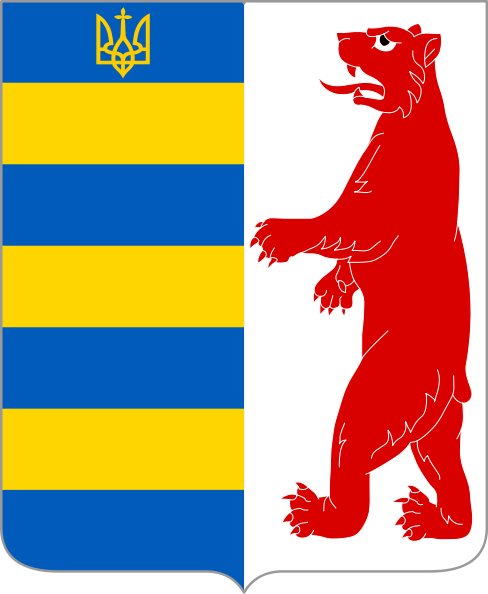
Den kortlivade republikens statsvapen.
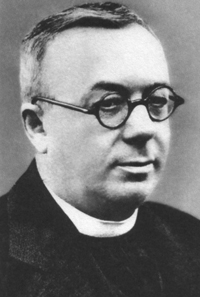
President Voloshyn
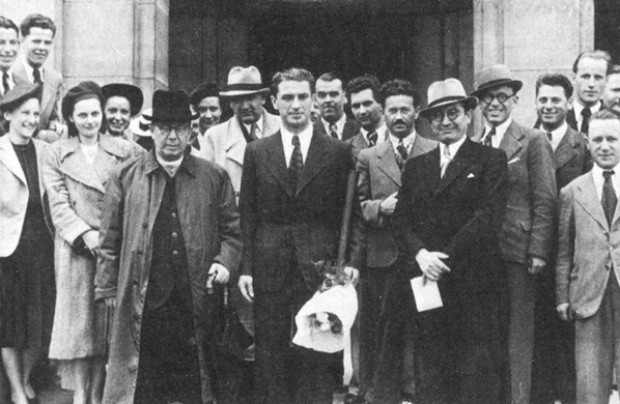
Medlemmar av regeringen för Karpato-Ukraina. Presidenten i främsta ledet och med mörk hatt.
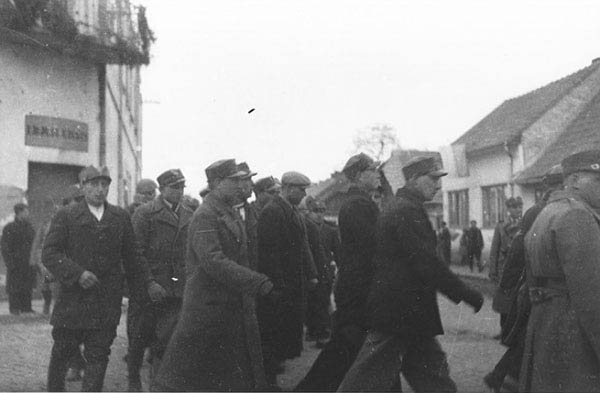
Karpatiska härens medlemmar drar ut i strid 15 mars. En del har uniform, andra inte.
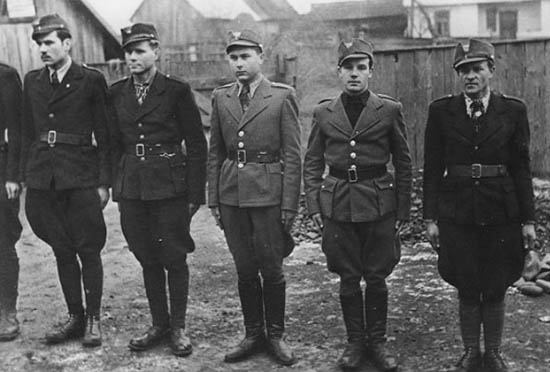
Karpatiska hären hade 15 000 medlemmar cirka 2000 hade militärutbildning.
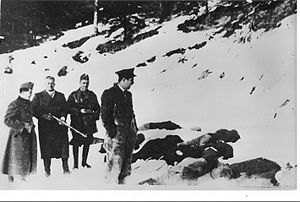
Ungerska soldater framför stupade ukrainare.
Atla
Atla är en av Heimdalls nio mödrar.
Informationen kommer från Våra gudamakter, en förteckning över asarnas, vanernas och alvernas gudamakter.
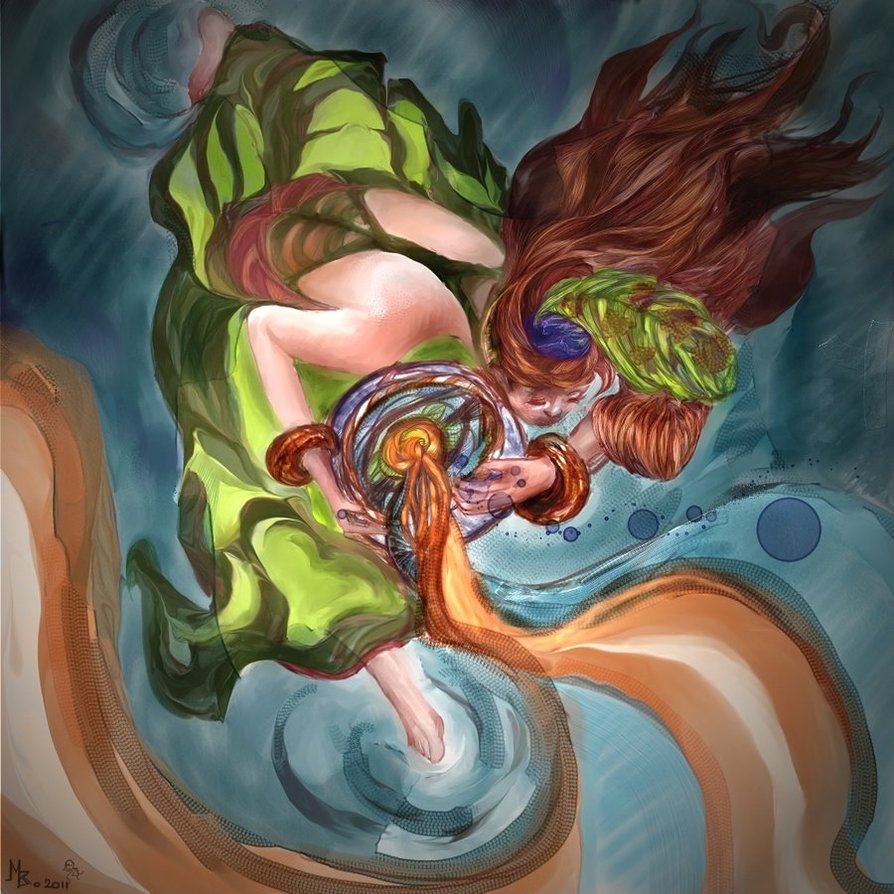
en insändare i tidningen Skarborgsbygden nr 10 216. Den handlar om en Livets brunn, en fontän med skulpturer som politiker vill flytta. Detta har lett till folkstorm i lokala tidningar.
Kultur? Det har aldrig gått hem i Skövde!
2001 förstörde talibanerna i Afghanistan två Buddhastatyer Bamiyandalen. Trots att statyerna var mer än 1600 år gamla så verkställdes beslutet. Enligt talibanerna var statyerna otidsenliga och hörde hemma i en förgången tid. Nu är det inte lika dramatiskt i Skövde, men de som vill flytta Livets brunn har lite av talibanernas mentalitet i sig. Konstverket är otidsenligt och symboliken missförstås. Att skaffa sig kunskap om verket är för svårt, så ta bort det.
Konstverket Elaine verkar vara ett konstens sorgebarn i Skövde. Denna dam flyttas runt. Kanske hon borde få nytt namn ”Flyttfågeln”. Fontänen Gyllen i kyrkparken kröns av en kvinnogestalt. Genom åren har den blivit så nedsmutsad att damen fått hår på bröstet! Alger och annat pryder prydnaden i kyrkparken.
Men allt är ju inte förtvivlan och elände ens i Skövde, Grönköpings grannstad. Förra året lade undertecknad in ett medborgarförslag att Gyllen skulle rengöras och det verkar bli av. Nu har jag även skickat in ett medborgarförslag till. Den handlar i korthet om att Livets brun ska stå kvar där den nu står, men också att en informationsskylt ska sättas upp. Så slipper vi kanske talibaner i Skövde.
Men varför är den offentliga konsten så eftersatt i Skövde? Ärligt talat så verkar kultur vara någonting nödvändigt ont, med betoning på sista ordet. Det verkar vara så att det måste finnas men intresset hos makthavarna är obefintligt. En gå hade Skövde ett museum mitt i centrum, nu ligger det undanskymt på Norrmalm. Kan inte Skaraborgsbygden be någon reporter fråga makthavarna vad de tycker om kultur i allmänhet och Livets brunn synnerhet? Men säger de att kultur är viktig, då ljuger de!
Kultur? Det har aldrig gått hem i Skövde?
Henrik Andersson
Hervor Allvitr, Hervör Alvitr
Hervor Allvitr är namnet på en av Odens valkyrior.
Informationen kommer från Våra gudamakter, en förteckning över asarnas, vanernas och alvernas gudamakter.
Sol, Sól
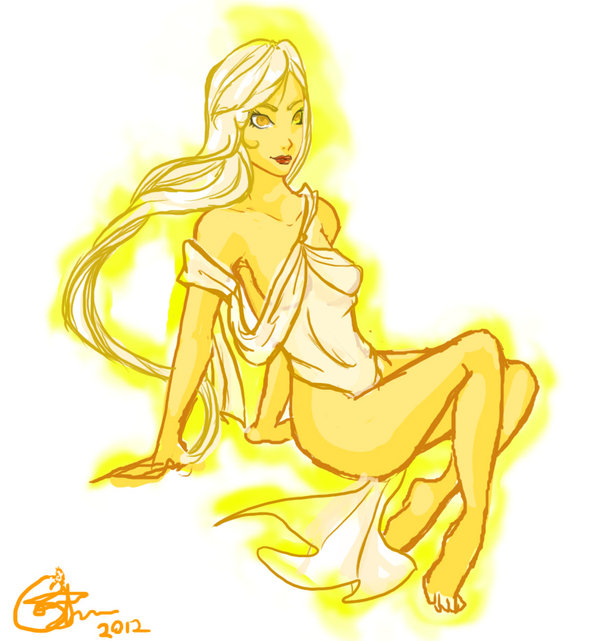
Solgudinnan heter vad hon är, Sol är vår sol. Sol är en så viktig gudom att en av veckans dagar, söndagen är till hennes ära. Måne är hennes bror och Mundilfare hennes far. Glen heter hennes make. Sol har två hästar som drar solvagnen. Arvaker och Allsvinn heter springarna. Sköll, en jätte i vargskepnad jagar Sol och dödar henne vid ragnarök. Sol har dock innan dess blivit mor till en flicka som övertar sin mors namn, rang och funktion i det kommande riket som styrs av Balder.
Informationen kommer från Våra gudamakter, en förteckning över asarnas, vanernas och alvernas gudamakter.
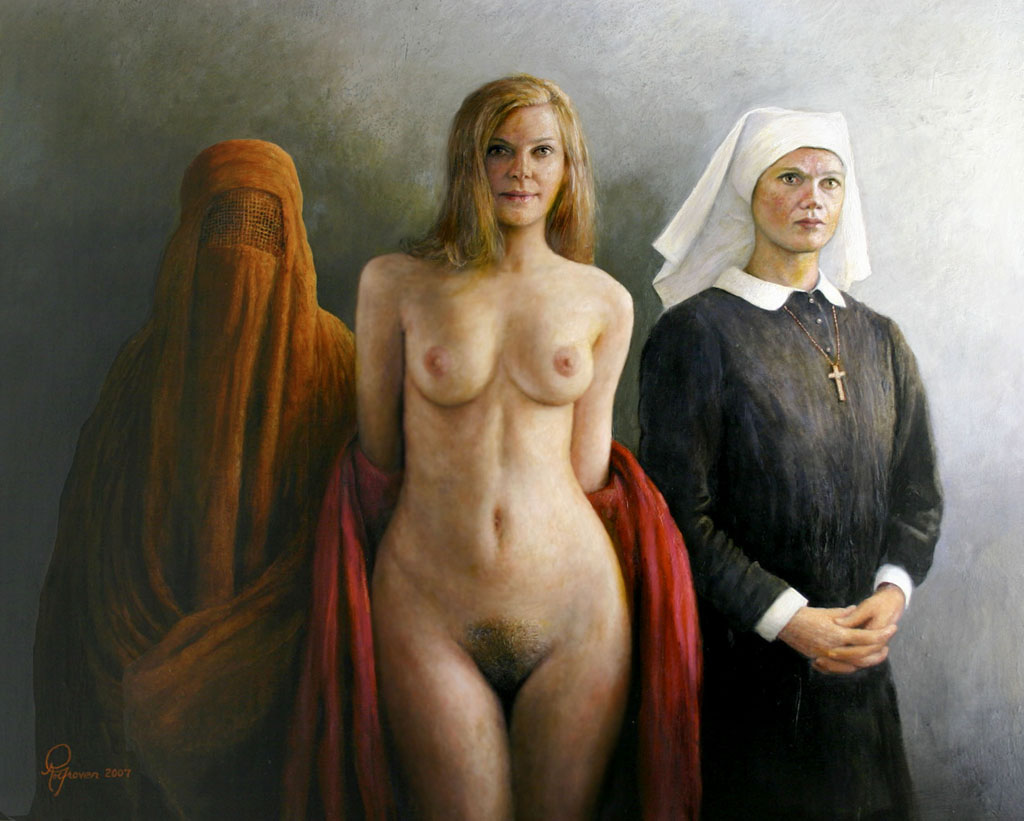
Den nakne sannhet av Rolv Govern
Duva, Dúfa
Duva är den andra av Ägir och Rans nio döttrar.
Informationen kommer från Våra gudamakter, en förteckning över asarnas, vanernas och alvernas gudamakter.
An interview with Varg, member of The Union of Slavic Native Belief Communities
We have friends in Russia and here is an interview with “Varg” from The Union of Slavic Native Belief Communities. The interview is made by Henrik Andersson from Idealistic Culture Struggle, Ideell Kulturkamp
Question 1: Rodnovery, the Slavic paganism is not so well known in Sweden. Despite the geographical distance close to Russia, it is little written about Russian pre-Christian religion. Can you tell us a bit about your faith? Name the most important gods and goddesses and feasts.
Answer: First of all let me fix a little mistake in the name of our belief – it’s called ‘Rodnoverie’ [-ie], no English rules to use ‘y’ at the end, otherwise it shall be another one new religion.
As you know paganism in ancient Russia officially was destroyed at the state level completely close to the 14th century since 988 AD, the year of when Vladimir the Great, the last pagan and the first Christian king of Rus, declared Russia baptized. And the pagan traditions were remained in country life and customs. Still now you might meet really pagan rituals among some villages of Belarus, Ukraine and Russia.
The last pagans were baptized in Novgorod Republic when one was annexed by force of Moscow kingdom in 15th century. So we have about 500 years of no state paganism in Russia before new pagans came in 1990’s with claims to revive ancient faith of Slavs. That was a time of post-Soviet age, people tried to find new ideas, but most people of those who thought the national way tried to rebuilt something suitable to Russians and their first independent national experience meanwhile still lots of Christians were united already that time in orthodox nationalist groups like RNE ( rus. Русское Национальное Единство, eng. Russian National Unity, dissolved in 2000’s ).
Unlike political activists, we tried to create a religious community, and these efforts can be called attempts to comprehend the lost experience, because we had a break of 500 years. The situation was compounded by the lack of necessary materials; most of them were locked in the secret archives of Moscow libraries. The political chaos in the country didn’t allow us to establish a legal access to these documents, and so we were forced to look for ways to bypass bureaucratic traps and other ways to get the missing gleanings. In the end, our group acquired the necessary experience in ethnographic expeditions.
As for now we have a complete pagan concept of beliefe somewhere restored. We tried to follow the scientific approach and sometimes it took a need to find side sources. However it was, the concept is ready for use at the national scale since we accept all Slavs in our ranks.
Unlike Scandinavian epics of Asatru, the Slavic tradition contains no each world separation into three parts. Our world includes three major worlds – the world of living creatures, the world of dead and the world of gods. All of them are united into the interesting concept which is called Triglav (One with three heads). This is a god and superworld at the same time (according to the writing of Ebbo). Some sources say that Triglav was a representation of three major Slavic gods that vary from one Slavic tribe to others that serve as representatives of the above mentioned realms. An early variation included Svarog (slavic TYR), Perun (slavic THOR), and Dajbog (perhaps he is similar to Scandinavian Freyr). Later, Dajbog was replaced by Svetovid or Veles (similar to ODIN). Triglav is usually described as a fusion of these gods. However in modern paganism of Slavs we believe in supercreature Rod – he spawned everything in the world somehow from the firstborn Egg. Maybe that’s how ancient people guessed about Big Boom of the Universe. And then most of known Gods in the Slavic pantheon are his incarnations, this makes the worldview concept including a twofold belief like all of Gods came from the Supergod meantime everybody of them is different to each other like Gods of manhood and Gods of femininity for example. Rod unites bloodlines of Gods together making them whole.
Studying of this moment let us understand why the word root ‘ROD’ often occurs in Slavic languages, either our own name of belief is ‘RODnoverie’ meaning something related to bloodline, to origins and family. Further to say that ‘Rod’ in Russian language means the same – family, bloodlines, family tree, race and nation.
Three worlds of Slavs:
Yav’ (Явь) – world of people, animals and world of reality.
Nav’ (Навь) – world of dead, ghosts and spirits, not all of them are bad though.
Iriy’ (Ирий) – world of Gods, the upper world of where heroes and Gods live together, in Slavic tradition although our ancestors live there, this fact rewords the popular cult among Slavic tribes in ancient times – Cult of Ancestors. Our organization follows the same tradition and we have special days of ancestor’s remembrance, and always we pray to them on our celebrations and holidays.
Here three worlds are united together, and sometimes one world might ‘permeate’ into another.
Here are the most important Gods in our tradition:
Perun (Перун) – god of war, thunder and all manhood in the world, zealous husband and hotheaded warrior.
Veles (Велес) – god of wisdom, wealth and secret (hidden) knowledge, also He is one who leads dead to the world of dead, that’s why he looks more similar to Scandinavian Odin.
Mokosh (Мокошь; Макошь) – goddess of womanhood, weaving, fortune and crafts (mostly women crafts). An interesting fact that by such explanation Mokosh looks similar to Norns and Frigg at the same time.
Svarog (Сварог) – god of the sky and blacksmith craft (probably). One is equated to the Sky as a personified image.
Stribog (Стрибог) – god of wind and ‘atmospheric conditions’, perhaps, that was an ancient name of Svarog, different sources give different interpretation.
Yarilo (Ярило) – god of youth, newlyweds and love. It’s a mistake to identify this god as a Sun.
Rozhanitsa (Рожаница) (singular) or Rozhanitsi (Рожаницы) (plural) – goddess or goddesses of the fortune and family. Various ‘spheres of responcobility’ caused by different sources about these goddesses from different Slavic tribes.
There are more of Gods and Goddesses; I’d like to write about them singly some other time.
Question 2: Religion was very controversial during the Soviet period. But now it seems the Orthodox Christianity to be a factor in Russian politics. But, how about the pagan movement? How many pagans there and how they are treated by society?
Answer: That’s right; the Orthodox Church is non-officially the dominant religion in Russia, despite the fact that Russia is a secular state by law. Actually most of Russians are orthodox Christians, maybe that’s why the church got a power so far. Even during Soviet period still lots of Russians had a right for religious rites though officially the Communist Party persecuted those who even tied to baptize kids. From 1920’s to 1980’s the situation had been changed sometimes cardinally, especially during the WWII when Stalin officially allowed Church by law (maybe because he studied in Georgian Church Seminary when he was a kid). By the end of the 80’s Soviet people felt no difficulties with religion. After the USSR collapsed most of Russians found a way to go back to Christianity. It is worth and fair to pay a tribute to Christianity of those time because Russians were about to get the European way of self-development, that meant we could turn to classical ‘European’ values like homosexuality and total tolerance for everything. And church had a power to preserve our ancient family values against irruptive ‘western’ culture on TV and in media, speaking of 1990’s. For now Russian Orthodox Church has serious relations among the government, lots of Church heads and especially the patriarch served in KGB like the president of Russia.
Not many years ago the previous patriarch (who died) declared two main dangers for Russia – terrorism and paganism. Despite this fact the government actively didn’t suppressed pagans and their actions in Russia, apparently because of the real constitutional freedom of worship I guess, though nobody could sue the Head of the Church for the words he declared on TV about pagans. Since then our movement got a good experience of survivng in Russian law, passed through couple of splits and inner sabotages.
Unfortunately the pagan movement in Russia is still marginal but our organization is the biggest and organized. This summer we had achieved the official state registration as a public organization dedicated to the study of Slavic culture and history with rights to celebrate our pagan rites. That is the most important step so far. We had posted the official statement about who we are:
Who we are
The Union of Slavic Communities of the Slavic Native Belief was founded in 1997. The primary goals and objectives are aimed at preservation, studying and spreading of native Slavic traditions.
Who we are and what we do
We are the union of nation caring people who stand for the national identity of Slavs in the world;
We learn and keep safe native traditions of Slavs, do the revival of our Gods majesty, build up our temples;
We carry out research and educational work on our native traditions and crafts. We promote sharing of the historical experience and craft traditions through public events and online sources.
We follow traditional family values and popularize a healthy lifestyle for everyone. We support sports and fitness groups and provide opportunities to take part in our sports actions.
We celebrate national holidays and practice ancient Slavic rituals; either we do playing national games and gathering of our supporters and Union members. We promote ecotourism and ethnographic expeditions for everyone.
We provide sports and patriotic education for children and youth.
We publish our periodical about paganism of Slavs and other different books dedicated to Slavic traditions for families and self-education.
We combine our efforts and capabilities in studying and safekeeping of Slavic native traditions with other friendly Slavic paganism related organizations in Russia as well as with various foreign groups. We although cooperate with appropriate state services and public organizations.
We have the online specialized school in our Union where students to get involved in scientific research works, studying archeology, ethnography and Slavic folklore.
We realize veche (same with old Scandinavian Ting) management in our organization.
The Union is guided by the Constitution of the Russian Federation, federal law ”Freedom of Worship and Religious Groups” and other actual laws of Russia and Regulations of the Union.
We always are open for communication with people and the government in any legal and civilized ways.
Who we are not and what we do not do
We do not claim to be the ‘always right and only’, furthermore we think that it’s a matter of personal choice to take an own way.
We never did or do creating pseudo-scientific myths or misrepresentation of the existing scientific researches.
We never called for splits in the society, neither feuds as a consequence of misunderstandings between people in commonwealth.
We do not pursue the mercantile and selfish goals acting inside the Union.
And our goals:
Our goals and objectives
The main goals of our organization:
Objectives
The cognition. Studying native traditions and the awakening of ancestral memory.
Unity. Slavonic communities association in the Union;
The recognition. State registration of the Union as a religious organization;
The Enlightenment. Preservation and spreading of the Slavonic ancestral traditions, spiritual and moral improvement of Slavic nations and the increasing of the national identity;
It’s a fully legal work so we are waiting for the official state support soon.
Questions 3: In Sweden, there are several groups that are pagan. Some are very politically correct with the acceptance of homosexuality and other plants, but what about Russia?
Answer: As I said before, a true tolerance is a great rarity in Russia. Russians are very conservative people and by the tradition we never accepted homosexuals (faggots) to live among us though there were such persons always of course. In ancient times most of homosexuals were executed by impalement like pedophiles. In modern times homosexuals are almost out of law after the government adopted a new law banning propaganda of fags in media and everywhere. Our organization fully agreed with that, we won’t ever accept homosexuals in our ranks. Being a homosexual brakes our outviews and concepts of family values, it’s not natural and alien. Still now you’re in big danger to be murdered hard in some villages of Russia if you’re a fag, because simple ‘country’ people hate homosexuals.
Question 4: In Sweden, many pagans to hear that they are extremists but also that it is not a true religion are the same in Russia?
Answer: Russian pagan movements came from nationalist movements of 1990’s. Actually now we don’t deny the fact that paganism and nationalism are almost the same, and our leader had openly stated that he was a member of RNE and that he is a nationalist but we have no troubles with law no more. There are two ways to be a nationalist; one of them is being a stupid bald jerk who can bring all ideas into discredit only. Another one is a way of educated nationalists; their image is a business suit and gentle actions, coming up to government relations with. People won’t ever take aggressive image, remember that. This is how political strategies work, and we understood that long time ago.
Question 5: In general you can say that the Slavic paganism is very similar to the Germanic and especially the paganism which survived in the Nordic region. Thor and Perun may well be said to be the same god. What do you think it is more or less the same religion, all Indo-European religions have a common origin, or the differences are greater than the similarities?
Answer: Yes, I can say that European cultures and ancient believes obviously have common origins in the deep past, I wrote up here some examples. Cultural differences were caused exclusively by the language barrier, which one arose after the great migration of peoples. We are able even to find common roots of words in our languages; those came from exactly Proto-Indo-European language though it’s just a Nostratic theory. And let’s not to forget the fact that the history of Europe is a history of moving a single race on the direct area, so we can confidently admit that we all had spoken the same language with different dialects. According to paganism issue I’d said that it’s up to pagan believes and traditions to unite us all again. Christianity has proved its unfitness for actions against destructive processes of globalization. For instance in Mid Age Russia Christianity caused discords between Old Rus principalities, which led to the vassalage under Tatar Khans (except for northern areas of Novgorod Republic).
Question 6: Finally, how do you see the future?
Answer: It’s a complicated question since I can’t see ‘future in water’. There are several issues to be as predictable as much information we can get. Unfortunately the first forecasts aren’t optimistic at all because there are powerful forces in the world which are intended to cause a quarrel between Russia and Europe (speaking of local regions). We became too different in ancient times when Christianity sow discords among us first time. Russia chose a Greek orthodox tradition but Europe chose Catholic Church tradition. I’m afraid that such process hadn’t reached the maximum point yet, we still escape any cultural convergence even. Russians think that Europeans are all faggots, and Europeans think that Russians are wild commies, thanks to Cold War propaganda.
The rest what we can do is sharing our experience among civilians in our countries to show them that paganism is still a choice, not a simple fashion or subculture for young men. And I believe that paganism is able to change this situation after one will become the official religion. Until then we all are simple spectators of the global events what we can’t affect anyway because pagan movement everywhere is a minority. It requires 10% of population to change the rest 90% of people if those 10% are a well performed and united team (in other words you can change nine people’s mind maximum if you believe in what you do). What percentage of pagans in your country? What’s in Russia? Here we go with main task for the first time – to increase this number. We’re at work over head and ears, and what about you?
Thank you for your questions! It was a pleasure to answer them knowing that our brothers and sisters in Sverige will know a little more about their neighbors in Russia. You’re always welcome to visit our holidays and private area near Kaluga. We will be waiting for you and your friends as soon as you can.
We wish our friends in Russia good luck! Maye Perun and Lada protect and bless them always!
The Union of Slavic Native Belief Communities: http://www.rodnovery.ru
Fjorgyn, Fjǫrgyn
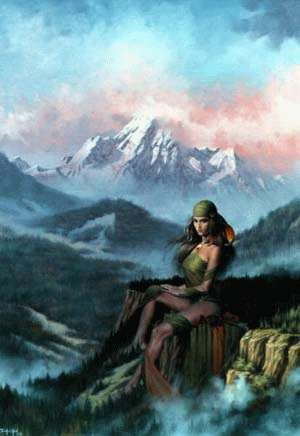
Jord är ett annat namn på Fjorgyn, hon är modergudinnan med viken himmelsguden Oden har sonen Tor. Fjorgyn har en bror vid namn Fjorgynn.
Jord är förstås fruktbarhetsgudinna värd att åkalla för den som sysslar med jordbruk och liknande ting. I Völuspá och Hárbarðsljóð nämns gudinnan. Hlödyn är ett annat namn gudinnan har och kanske borde det användas för att skilja henne från broderns snarlika namn?
Informationen kommer från Våra gudamakter, en förteckning över asarnas, vanernas och alvernas gudamakter.

 Ideell Kulturkamp